

Key Takeaways:
Is Being Debt-Free the Whole Picture? What You Should Know
- Not all debt is harmful. When managed well, certain types of borrowing can support long-term financial growth.
- Education, property financing, business investment, and low-interest structured loans may add value when repayments are manageable.
- Eliminating all debt without balance can reduce liquidity and limit investment opportunities.
- An inactive credit profile or early repayment penalties may affect future financial flexibility.
Introduction
Many people see being free from debt as the ultimate financial milestone. No repayments, no creditors, and no lingering obligations can certainly feel liberating. For many borrowers, clearing all outstanding balances is associated with peace of mind and a sense of control over money. While that emotional relief is real, the financial reality is more nuanced. Being debt-free does not automatically mean being financially strong. In fact, not all debt works against your long-term well-being.
This article helps you understand how debt fits into a broader financial plan so you can make more balanced decisions, especially if you are already living without liabilities.
What Does Being Debt-Free Really Mean?
At its simplest, it means having no outstanding balances with banks, licensed lenders, credit card providers, or instalment plans. There are no monthly repayments and no interest accumulating in the background.
However, financial stability involves more than a zero-debt position. True financial health also depends on having accessible savings, emergency funds, and the ability to adapt to life changes without financial strain. Someone with no debt but limited cash reserves may be more vulnerable than someone who manages repayments comfortably while maintaining liquidity. Debt freedom can reduce stress, but it should not come at the expense of flexibility or long-term security.
Why Not All Debt Is Harmful
Some forms of borrowing support long-term progress rather than undermine it. Often referred to as good debt, these are obligations taken on with a clear purpose and manageable repayment structure.
1. Education or Skills Upgrading
Education or skills upgrading loans can boost your earning power by improving qualifications, expanding skill sets, and opening access to better career opportunities. Over time, higher earning capacity may offset the cost of borrowing. This type of debt serves as a strategic investment when repayments remain manageable.
2. Property Financing
Property financing allows individuals to build equity and work towards long-term wealth instead of spending continuously on rental expenses. As loan repayments contribute to ownership, this form of borrowing may support financial security in the long run, provided the commitment is affordable and aligned with long-term financial plans.
3. Business Investment
Business investment loans can generate future revenue or operational value by supporting expansion, improving efficiency, or strengthening cash flow. When used for income-generating activities and backed by clear financial planning, this type of borrowing can promote sustainable business growth.
4. Low-Interest Structured Loans
Structured financing with predictable repayments and transparent personal loan interest rates can also provide stability when used responsibly. When managed well, they allow borrowers to plan cash flow confidently and address financial needs without disrupting longer-term goals.
What are the Hidden Downsides of Being Completely Debt-Free?
Although eliminating all debt is often seen as a positive financial milestone, doing so without a balanced approach can cause unintended consequences. When debt repayment becomes the sole focus, it may affect cash flow, flexibility, and longer-term financial planning in ways that are not immediately obvious.
1. Lost Investment Opportunities
Using large amounts of cash to clear low-interest loans may result in missed opportunities for long-term growth. Funds that can otherwise be allocated towards CPF contributions or investments may generate higher returns over time than the cost of maintaining certain low-interest debts. Prioritising debt clearance without considering opportunity costs can limit overall wealth accumulation.
2. Depleted Savings and Reduced Liquidity
Emptying savings accounts for zero debt can leave individuals without sufficient liquidity for unexpected expenses. Without an emergency buffer, even small financial disruptions may lead to stress or the need for new borrowing.
3. Lower Credit Score from Inactivity
A completely inactive credit profile can affect future loan approvals. Lenders often assess recent repayment history to evaluate creditworthiness. Having no active credit may reduce flexibility when financing is needed later, even if income remains stable.
4. Prepayment Penalties
In Singapore, some loans include early repayment charges. Clearing balances prematurely can trigger penalties, particularly for longer-term commitments such as education or property financing. For individuals considering short-term flexibility options like a fast personal loan in Singapore, maintaining a healthy credit profile can matter more than having no debt at all.
5. Poor Financial Balance
Focusing solely on clearing debt can delay other essential financial priorities, including building savings or planning for retirement. A balanced approach that considers both debt management and long-term financial goals is often more sustainable.
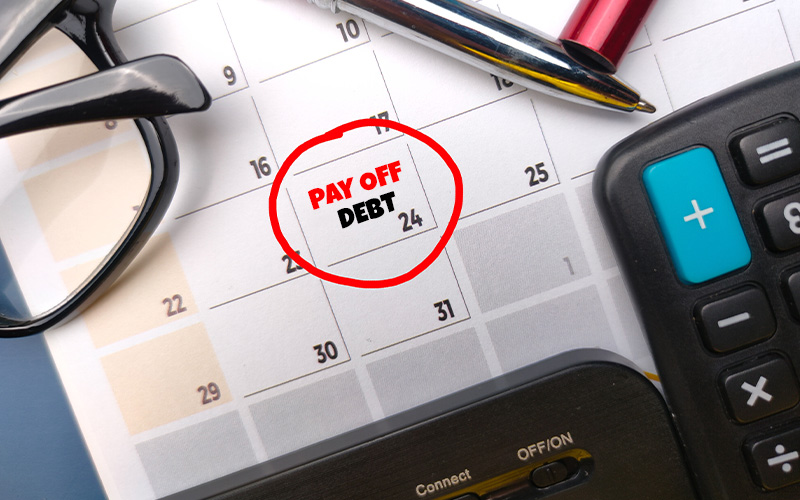
When Paying Off Debt Should Take Priority
Not all debt carries the same level of risk. Some types require more urgent attention than others. Understanding when to prioritise repayment is essential for protecting your financial stability and preventing manageable obligations from becoming long-term burdens.
Credit cards, revolving unsecured facilities and other high-interest obligations can escalate quickly. Variable-rate loans that may increase over time also warrant close attention. Debt that causes repayment stress or is tied to non-essential purchases often provides little long-term benefit.
In such situations, prioritising repayment can ease cash flow and reduce ongoing financial strain. The decision should be guided by long-term sustainability, ensuring that clearing debt supports overall financial stability.
Why Balance Is the Real Financial Goal
Being debt-free can certainly be a positive milestone, but lasting financial confidence comes from balance. Knowing when to borrow, when to repay, and how to align both with your goals allows you to stay prepared, in control, and financially secure. A healthy financial approach focuses on managing debt strategically instead of removing it at all costs. This means keeping repayments affordable, understanding loan terms clearly, and aligning borrowing with long-term plans.
Working with a licensed money lender in Singapore can provide clarity around structured borrowing and responsible use of credit. At Unilink Credit, financial conversations begin with understanding how debt fits into an individual’s broader financial situation, so you can make decisions with balance and sustainability in mind.
If you would like to explore suitable loan options or understand how we can support your financial plans, contact us.
